

The latest Fabric and Power BI updates
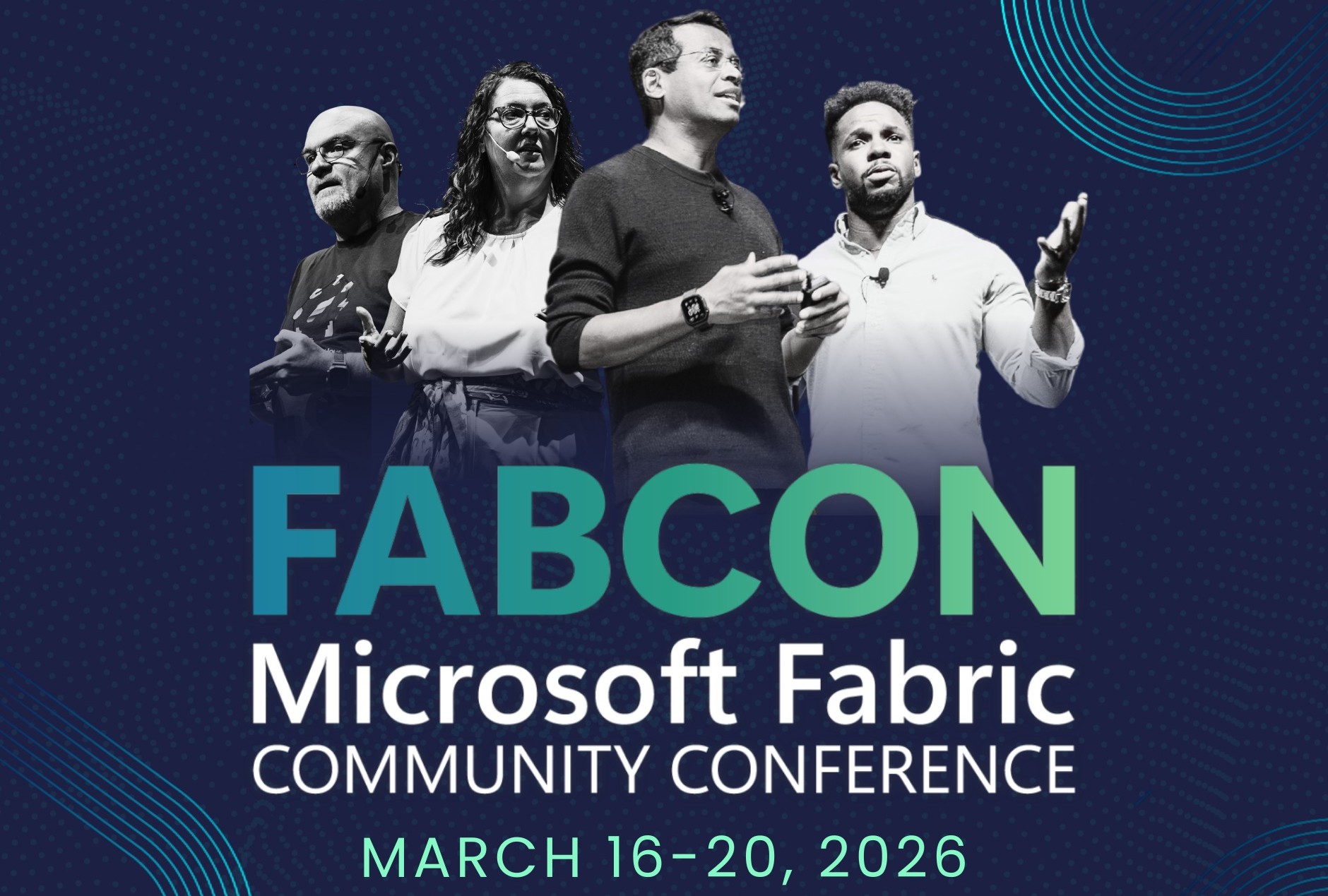
I’m sure you’ve noticed: there’s been a lot of Fabric and Power BI news lately. Not a coincidence, since Fabric Conference was last week 😀
I won’t try to cover everything. Instead, here are the updates that stood out to me as real game changers – and the ones worth digging into.
Platform
Database Hub (Early Access)
This is basically a new control plane for all your databases: Azure SQL, Cosmos DB, PostgreSQL, MySQL, and Fabric Database. It promises estate-wide observability, delegated governance, and Copilot-powered insights.
I haven’t tried it yet, but it does make me wonder: could this reduce the need for Azure Portal or SSMS?
Planning in Fabric IQ (New)
Fabric now introduces enterprise planning: think budgets, forecasts, scenarios, and targets – all inside the platform.
It sounds like Microsoft is going after tools like Anaplan. It’s built in collaboration with Lumen, but from what I understand, you don’t pay Lumen separately, it just consumes capacity units (CU’s) from your Fabric setup.
OneLake + Databricks Unity Catalog (Preview)
You can now natively read OneLake data through Databricks Unity Catalog.
Since a lot of companies use Databricks alongside Fabric (for bronze/silver layers or even full platforms), this integration makes a lot of sense. It’s also another sign Microsoft is serious about keeping Fabric open.
Fabric Remote MCP (Preview)
If you haven’t explored MCP servers yet, definitely take a look.
I’ve only done some light experimenting, mainly with the Power BI modeling MCP server for small tweaks and measure creation, but it’s already impressive.
If you want to understand it better, Kurt Buhler and Eugene Meidinger have some great content on how it works and how to get started.
Power BI
Translytical Taskflows (GA)
Also known as “writeback for Power BI”, though that doesn’t fully cover it.
With Taskflows, you can update data directly from a report using Python-based User Data Functions in Fabric. The data can go anywhere: Azure SQL, Fabric SQL Database, Lakehouse, etc.
Now that it’s GA, I expect a lot more companies to start using it. It removes the need for separate tools like Power Apps or third-party writeback solutions.
One thing to watch out for: there are still limitations. For example, PBIR and PBIP formats don’t work with Taskflows (yet).
Direct Lake on OneLake (GA)
Direct Lake has improved, especially around OneLake security and modeling features.
The guidance is now pretty clear: use Direct Lake on OneLake by default, unless you rely on SQL endpoint security.
Personally, I still lean towards Import as the default. But if you need near real-time data or are working with very large datasets, Direct Lake can be a strong option.
TMDL View in Web Modeling (Preview)
Finally, TMDL view is available in the browser!
This makes web modeling much more complete. You can copy measures, tables, or entire models, adjust sources and parameters, and even compare changes with a side-by-side diff before applying them.
Custom Totals in Tables/Matrices (Preview)
A lot of people will be happy with this one 🙂
For years, people complained that “totals are wrong.” In reality, that’s just how DAX works. But now, you can override totals if you want to.
Modern Visual Defaults (Preview)
Not sure how I feel about this yet.
The new default uses smoothed lines in visuals, which can sometimes suggest data points that aren’t actually there. I’ll need to test this more to see if it’s helpful or misleading.
Developer
Git integration now supports selective branching, so you can branch for a specific feature and only pull what you need.
On top of that, there are two new open-source projects:
- Agent Skills for Fabric
Natural language plugins for GitHub Copilot Terminal. Feels a bit like downloading skills into your brain – Matrix-style 😊. It also opens the door for sharing skills across the community. - Fabric Jumpstart
Reference architectures with one-click deployments. Similar to the old industry solutions, but now fully deployed in your own tenant with data included.
Closing
All in all, it’s clear Microsoft is going all-in on Fabric as the AI data operating system.
I’m curious to see how this evolves in the coming months.
As I’m writing this, I’m actually on a plane to the MVP Summit in Redmond (Microsoft HQ). Looking forward to diving deeper into all of this while I’m there!
More details
If you want the full picture, these are always worth checking:
- Arun’s blog post (consistently great)
- Fabric March 2026 monthly feature summary
- Power BI March 2026 monthly feature summary
